Posted on Leave a comment

Back-to-School Smoothies: How We’d Build a 5-Day Box for Kids, Teens and Parents

back to school smoothies

Back to school smoothies work best when one household does not expect one smoothie to solve three different mornings. A younger child may do better with a familiar fruit-forward blend alongside the rest of breakfast. A teen may want something more substantial before a long school day or practice. A parent may care most about getting breakfast, greens, protein, or coffee handled before the first meeting.

That is the difference between randomly ordering healthy breakfast smoothies and building a box around how a family actually gets out the door.

Our current menu includes familiar strawberry-banana blends, tropical fruit combinations, greens, higher-protein options, and coffee or matcha recipes.

Here is the five-day family smoothie box we would start with, plus why kids, teens, and parents do not get identical rows.

First, We Would Not Build One Box for “The Family”

One of the fastest ways to create a freezer full of ignored cups is assuming everyone wants the same breakfast.

For Kids, Familiarity Comes Before Novelty

For smoothies for kids, we would begin with recognizable flavors instead of using the first week of school to test the boldest blend in the freezer.

Strawberry & Banana is a good example. The familiar strawberry-banana profile also includes raspberries, zucchini, peaches, pea protein, cranberry powder, flax seeds, and chia seeds.

Tropical Strawberry is another fruit-forward option, combining peaches, strawberries, mango, acerola, dark cherries, and banana.

That is our idea of useful school morning smoothies: familiar enough to get consumed, but with more variety than throwing a banana and frozen strawberries into the blender every day.

For Teens, We Would Think About the Length of Their Day

With smoothies for teens, we would look harder at what happens after breakfast.

There may be an early bus, a full day of classes, sports, clubs, work, and homework.

We would not assume every teen needs a high-protein smoothie, but we would pay attention to how substantial the option is and what other food they are eating.

High Protein Strawberry Banana currently lists 23 grams of whey protein and combines mango, strawberries, dark sweet cherries, banana, and vanilla whey protein. It contains milk and soy, so checking the label matters.

For Parents, Convenience Can Include Caffeine

The parent side of our smoothie box for families would look different.

Coffee & Cacao combines banana, cauliflower, avocado, cacao, pea protein, coffee, and Ceylon cinnamon.

Matcha-based options give adults another caffeinated choice.

We would keep coffee and matcha cups clearly on the parent side. The American Academy of Pediatrics says avoiding caffeine is the best choice for children, so we would not casually put coffee or matcha smoothies into the kids’ school-week row.

The 5-Day Back-to-School Smoothie Box We Would Build

Here is our starter week.

Day Kids Teens Parents
Monday Strawberry & Banana High Protein Strawberry Banana Coffee & Cacao
Tuesday Tropical Strawberry Blueberry & Raspberry Tropical Greens Fiber
Wednesday Mango & Passion Fruit High Protein Mango Mango & Matcha
Thursday Raspberry Lychee High Protein Berry Coffee & Cacao
Friday Mango & Coconut Raspberry & Mango Tropical Greens Fiber

The point is not to create 15 unique masterpieces.

The point is to learn what disappears from the freezer and what gets pushed behind the frozen peas.

That information makes week two much smarter.

Why These Five Kids’ Smoothies Made Our Box

For the kids’ row, we would let familiarity do most of the work.

The goal is not to “hide” vegetables like breakfast is a magic trick. It is to choose flavor profiles children recognize while still allowing the recipe to include a wider range of ingredients.

Strawberry & Banana Is Our Monday Safe Pick

We start Monday with Strawberry & Banana.

Banana, strawberries, raspberries, and peaches lead the fruit profile, while zucchini, pea protein, flax, and chia are already part of the blend.

A child does not need to be excited about zucchini for zucchini to be in the cup.

For us, that is a more realistic back-to-school win than asking everyone to embrace a strong green smoothie at 7 a.m.

Tropical Strawberry and Mango & Passion Fruit Change the Middle of the Week

Tuesday’s Tropical Strawberry keeps things familiar but changes the fruit combination.

Wednesday’s Mango & Passion Fruit uses mango, banana, kiwi, and passion fruit puree.

The flavors move through the week instead of serving five variations of strawberry-banana.

That matters more than it sounds.

Flavor fatigue is one of the easiest ways for a carefully planned box to become freezer inventory.

Raspberry Lychee and Mango & Coconut Finish With Variety

Thursday’s Raspberry Lychee combines raspberries, banana, kiwi, lychee, pineapple, and flax seeds. The current nutrition panel lists 9 grams of fiber per package.

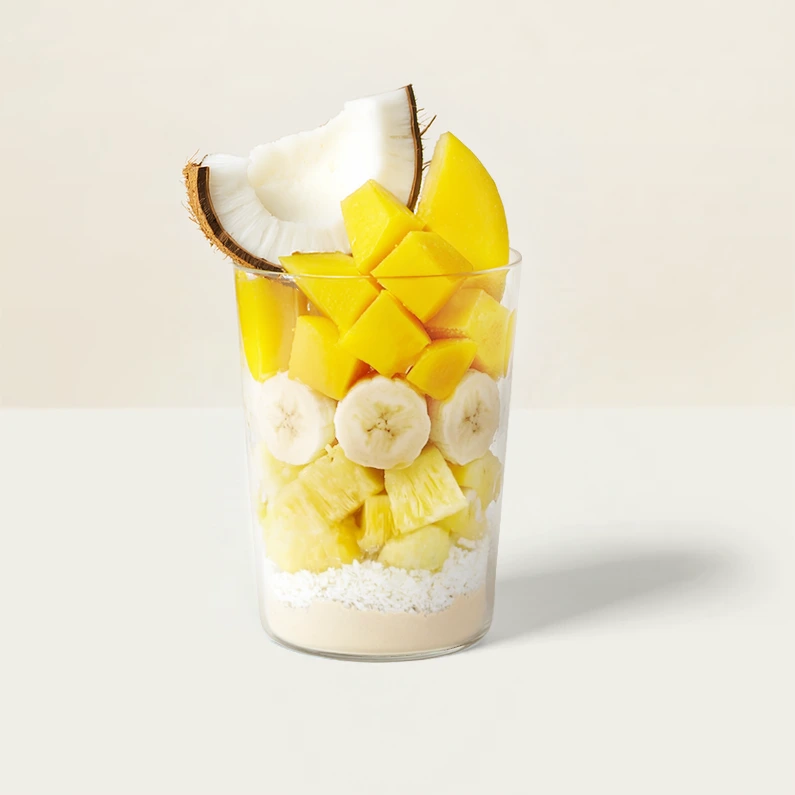
Friday’s Mango & Coconut uses mango, banana, pineapple, shredded coconut, and pea protein.

These are still approachable fruit profiles, but they move the week beyond the usual berry routine.

If one turns out to be too adventurous for a particular child, that is useful information for the next order.

Why We Would Build the Teen Row Differently

For teens, we would pay more attention to how filling breakfast needs to be and whether the smoothie is standing alone or being paired with other food.

Higher-Protein Options Can Be Useful, but the Label Matters

High Protein Mango currently contains 26 grams of whey protein alongside mango, pineapple, and banana.

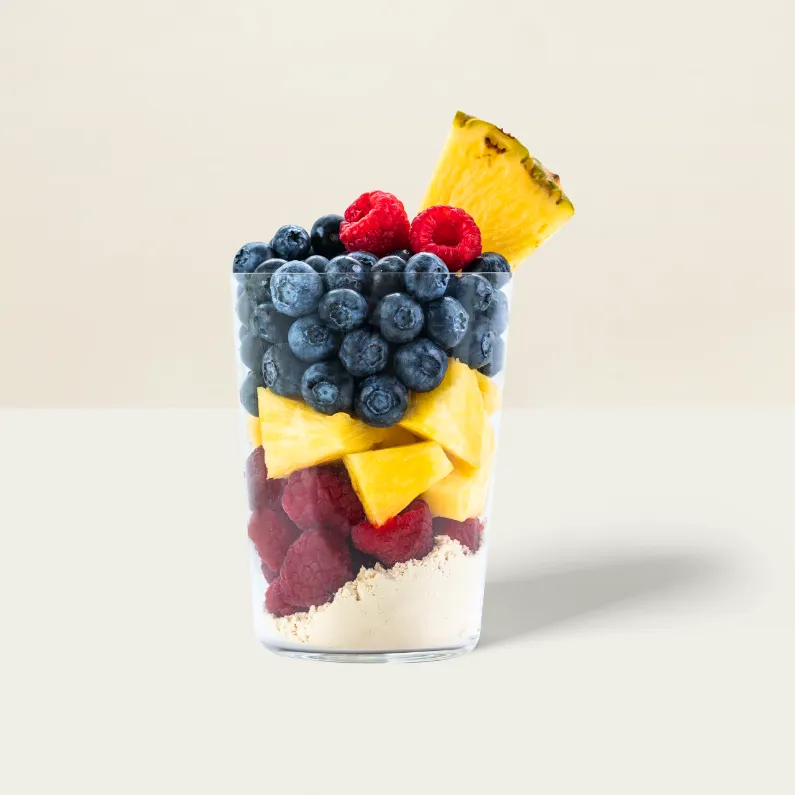
High Protein Berry also currently lists 26 grams of protein and combines pineapple, blueberries, raspberries, and vanilla whey protein.

Those may fit some teens’ routines, particularly when the morning is long or active.

We would not choose them simply because 26 is a bigger number than 10.

Protein needs vary, and Revive’s whey-based smoothies contain allergens such as milk and soy. The actual label and the individual teen matter more than turning protein into a competition.

Plant-Protein Options Keep the Week From Feeling Repetitive

Blueberry & Raspberry contains raspberries, strawberries, blueberries, pineapple, blackberries, pea protein, hemp hearts, and açai.

That gives the box another direction from the whey-based choices.

We would also let the teen help choose.

Teenagers are much more likely to drink a smoothie they had some say in selecting. A nutritionally impressive cup that stays frozen for six weeks is not doing much for anybody.

Why the Parent Row Gets Coffee, Matcha, and Greens

Parents often have a different back-to-school problem.

They are getting everybody else ready while their own breakfast quietly moves to 10:45 a.m.

Coffee & Cacao Can Combine Two Morning Decisions

Coffee & Cacao gives the coffee-drinking parent a blend built from banana, cauliflower, avocado, cacao, pea protein, coffee, and cinnamon.

We put it into Monday and Thursday on purpose.

A useful box does not need five unique adult smoothies to prove there is variety.

If Monday works, repeating it is good planning.

Tropical Greens Fiber Covers a Different Kind of Morning

Tropical Greens Fiber uses pineapple, banana, avocado, spinach, chia seeds, and shredded coconut and currently lists 7 grams of fiber.

We use it twice too.

That is another thing we have learned from building boxes: once you find the cup you consistently reach for, ordering more of it is smarter than filling your freezer with novelty.

Matcha Gives the Adult Side Another Option

For Wednesday, a matcha smoothie changes the flavor and morning routine without going back to coffee.

Again, we keep caffeinated options in the adult section.

A family smoothie box works better when everybody knows which row is theirs.

A Smoothie Does Not Have to Be the Entire Breakfast

This distinction matters especially when talking about children and teenagers.

Look at What Is in the Cup and What Is Beside It

A fruit-forward smoothie may fit well beside yogurt, eggs, whole-grain toast, or another food the child normally eats.

A higher-protein smoothie may already fill a different role.

Healthy eating patterns are broader than one food; current federal nutrition guidance continues to emphasize a variety of nutrient-dense foods, including fruits, vegetables, whole grains, and protein foods.

We would rather say that clearly than pretend every smoothie on our menu automatically represents a complete breakfast for every age and appetite.

The smoothie should fit the morning, not carry the entire nutritional reputation of the day.

How We Would Organize the Freezer on Sunday

One of the biggest benefits of ready-to-blend smoothies during the school year is reducing decisions before everybody leaves the house.

Give Each Person a Row or Basket

Put kids’ options together.

Give teens their own row.

Keep adult coffee and matcha smoothies somewhere clearly separate.

If everyone shares several flavors, organize the freezer Monday through Friday instead.

The system does not have to look beautiful.

It just needs to be obvious when somebody opens the freezer half awake.

Let Everyone Help Build Week Two

After five days, ask:

  • Which smoothie would you order again?
  • Which one did you leave until last?
  • Did you need another food with it?
  • Was the portion useful for your morning?
  • Which flavor would you swap next week?

That is how frozen smoothies become an actual household routine instead of something you tried once after seeing an ad.

Build Back to School Smoothies Around Your Actual Morning

At Revive Superfoods, we think back to school smoothies are most useful when they remove friction without pretending every person in the family has the same day.

For younger kids, we would lean toward familiar, caffeine-free fruit profiles.

For teens, we would introduce more variety in protein and substance where it makes sense.

For parents, we would happily claim the coffee, matcha, greens, and repeat favorites that make their own morning easier.

Then we would watch what actually gets consumed and build the next box from that.

Explore our full range of ready-to-blend smoothies, read the ingredient and nutrition information, and build your five-day lineup around the people who will actually drink it.

The best school-week box is not the one that looks healthiest lined up in the freezer.

It is the one that is empty by Friday.

Posted on Leave a comment

Premade Smoothies vs DIY Freezer Packs: Where the Time, Waste and Convenience Actually Change

pre made smoothies

Pre made smoothies and DIY freezer packs can both make mornings easier, but they save time in very different places. A homemade freezer pack moves most of the work to one meal-prep session: you shop, wash, chop, measure, bag, freeze, then blend later. A ready-to-blend option moves that work further upstream. The ingredients arrive frozen and pre-portioned; you add liquid, blend, and get on with the morning. Revive currently describes its smoothies as pre-portioned frozen ingredients that can be blended after adding your preferred liquid.

From our side of the blender, that is the smoothie meal prep comparison that actually matters.

It is not “homemade good, premade convenient,” or the reverse. It is where you want the planning, grocery shopping, portioning, cleanup, freezer organization, and food waste to happen.

We make ready-to-blend smoothies because we have seen how quickly a good breakfast intention can fall apart in the five minutes between “I should make something” and “I need to leave now.”

Here is how we would compare the two systems before deciding which belongs in your freezer.

The Biggest Time Difference Happens Before You Blend

Both systems still need a blender. The real time gap appears earlier, when ingredients need to make their way from a grocery list into one usable smoothie portion.

DIY Freezer Packs Save Morning Time by Cutting Prep Time

A good batch of DIY freezer packs can absolutely simplify the week.

You can buy bananas, berries, greens, seeds, protein, and whatever else you like, then portion several bags or containers at once.

But that convenience has a setup cost.

You still need to:

  • Decide on the recipes
  • Shop for the ingredients
  • Wash and prepare produce
  • Peel or chop what needs cutting
  • Measure seeds, protein, or other add-ins
  • Portion each recipe
  • Label and store the packs
  • Clean the prep area

If you enjoy Sunday meal prep, that can be a perfectly good trade.

If Sunday night already feels crowded, count those minutes too.

Premade Smoothie Packs Move Most of That Work Out of Your Kitchen

Our premade smoothie packs arrive already portioned and frozen.

Revive’s process is deliberately short: take the smoothie from the freezer, add your preferred liquid, blend, and enjoy. Our main site currently describes the active blending step as about 30 seconds.

What changes is not the blender.

It is the number of decisions and preparation steps that happen before you turn it on.

Food Waste Changes More Than the Grocery Bill

Food waste is one of the easiest costs to miss when comparing homemade smoothies with pre-portioned options.

DIY Gives You More Control, but Leftovers Are Your Problem

Imagine one smoothie needs a handful of spinach, half a banana, a spoonful of chia, a few strawberries, pineapple, and a little avocado.

At home, those foods rarely come in one-smoothie quantities.

That can be great when the whole household uses them. It can also leave you with half a bag of spinach, soft bananas, an avocado that reaches its two-hour window of perfection while nobody is home, or a specialty ingredient you bought for one recipe and never use again.

The EPA recommends planning, prepping, portioning, and storing food intentionally as practical ways households can prevent wasted food.

Successful DIY smoothie prep requires the same discipline.

Pre-Portioned Smoothies Change Where the Waste Happens

With pre-portioned smoothies, the zucchini in Strawberry & Banana or the avocado in Tropical Greens Fiber is already assigned to a cup.

Strawberry & Banana currently combines banana, strawberries, raspberries, zucchini, peaches, pea protein, cranberry powder, flax seeds, and chia seeds. Tropical Greens Fiber uses pineapple, banana, avocado, spinach, chia, and shredded coconut.

You are not buying an entire package because one smoothie needs three tablespoons of it.

That does not make a smoothie delivery completely waste-free. There is still packaging and freezer space to consider.

The difference is that the edible ingredients already have a job.

Cost Is More Than the Price of a Banana

If you want an honest comparison, do not compare the price of one Revive cup with one banana and five strawberries.

Compare complete systems.

DIY Costs Are Spread Across the Grocery Basket

A homemade smoothie can be very inexpensive when it uses simple foods you already buy.

The calculation changes when you want six or eight ingredients in each blend, multiple recipes during the week, protein powder, seeds, specialty fruits, greens, and little repetition.

More variety means stocking more separate ingredients.

If you use everything, great.

If not, the cost of the unused portion belongs in the smoothie calculation too.

Pre Made Smoothies Include Work You Are Not Doing

Part of what you are buying with pre made smoothies is preparation.

Here is how we would actually compare the two:

Cost or task DIY freezer packs Pre-portioned smoothies
Recipe planning You Already developed
Grocery shopping You Built into delivery
Washing and chopping You Already handled
Portioning You Already handled
Ingredient leftovers Possible Reduced through portioning
Recipe flexibility Very high Choose from available menu
Morning blending Yes Yes
Blender cleanup Yes Yes
Packaging Your bags/containers Individual cups

There is no universal winner.

The better value depends partly on which column contains jobs you routinely postpone or dislike.

DIY Freezer Packs Win on Total Customization

There is one area where homemade freezer packs are difficult to beat: you control practically everything.

You Can Change a DIY Recipe by the Tablespoon

Want less banana?

More spinach?

No chia?

A particular protein powder?

A thinner texture?

DIY makes those adjustments easy.

That can be important for allergies, strong texture preferences, specific nutrition plans, or a household that already has several reliable recipes.

Pre Made Smoothies Trade Infinite Customization for Consistency

Our model is different.

We develop individual recipes, publish the ingredient and nutrition information, and let you decide which ones belong in your box.

Strawberry & Banana gives you a familiar fruit profile with zucchini, pea protein, flax, and chia added to the recipe.

Tropical Greens Fiber goes in another direction with pineapple, banana, avocado, spinach, chia, and coconut.

High Protein Berry combines pineapple, blueberries, raspberries, and vanilla whey protein and currently lists 26 grams of protein.

You can rotate those profiles without keeping every ingredient in your own kitchen.

The Real Convenience Test Is Wednesday Morning

Sunday meal prep has an unfair advantage in most comparisons: Sunday-you is organized.

Wednesday-you may not be.

DIY Works Well When You Keep the System Stocked

If you consistently rebuild your freezer packs before they run out, the system works beautifully.

You know what is inside. You can modify every recipe. Your weekday prep stays short.

The weak point is restocking.

Miss the grocery trip or meal-prep session and the convenience disappears until you rebuild the system.

The Best Answer Might Be a Hybrid

We do not think every household has to pick a side.

Keep DIY Ingredients You Already Use

If bananas, frozen blueberries, yogurt, oats, or spinach are normal groceries in your house, keep making smoothies with them.

Homemade smoothies are an excellent way to use ingredients you already have.

Use Frozen Smoothie Packs for Recipes You Would Not Build Yourself

This is where frozen smoothie packs can earn their freezer space.

Maybe you make simple berry smoothies at home but keep Blueberry & Spirulina for days when you want pineapple, banana, zucchini, cauliflower, raspberries, blueberries, blue spirulina, pea protein, chia, and hemp protein without sourcing all of it separately.

Or maybe Coffee & Cacao is the “breakfast and coffee need to happen at the same time” option. Its current recipe combines banana, cauliflower, avocado, cacao, pea protein, coffee, and Ceylon cinnamon.

That is more useful than declaring one method universally better.

Where We Think Pre Made Smoothies Earn Their Place

At Revive Superfoods, we make pre made smoothies for people who like the idea of meal prep but do not necessarily want to repeat the prep every week.

DIY freezer packs are a good system when you enjoy shopping, portioning, customizing, and keeping the routine stocked.

We would never tell you otherwise.

Our system solves a different problem.

We source the ingredients, develop the combinations, portion them, freeze them, and deliver them so the morning job becomes mostly choosing a cup and blending it.

Explore our full range of ready-to-blend smoothies and compare the ingredients with what you normally buy for homemade freezer packs.

The question is not which smoothie is more “homemade.”

It is which system still works when your week gets busy.

Posted on Leave a comment

What to Look for in a Smoothie Subscription Before You Commit to a Box

smoothie subscription

A good smoothie subscription should solve a routine problem without creating a new one. Before you commit, look past the introductory discount and ask whether you actually like the ingredients, whether there is enough variety for your week, how much freezer space the box needs, how easy it is to change deliveries, and whether preparation is genuinely faster than what you already do.

That is how we think about our own smoothie subscription at Revive Superfoods.

We have more than 20 smoothie flavors on our current menu, and after seeing how people build boxes across tens of thousands of reviews, one thing becomes obvious: the first box is easy to get excited about. The better test is whether the subscription still fits your mornings several deliveries later.

Here is what we would check before committing your freezer space, breakfast routine, and grocery budget to any smoothie box.

Start With the Ingredients, Not the Subscription Discount

The ingredients should be the first thing you inspect because a discount cannot make a smoothie useful if the actual food inside does not fit what you want to eat.

Look for Ingredient Lists You Can Actually Understand

We like ingredient lists that tell you exactly what is inside the cup.

Take our Strawberry & Banana smoothie. It combines banana, strawberries, raspberries, zucchini, peaches, pea protein, cranberry powder, flax seeds, and chia seeds.

That is more useful information than a front-of-package phrase like “berry wellness blend.”

The same applies to greens.

Our Tropical Greens Fiber smoothie combines pineapple, banana, avocado, spinach, chia seeds, and shredded coconut and currently provides 7 grams of fiber per package.

When comparing a healthy smoothie subscription, we would ask:

  • Can you see the complete ingredient list?
  • Are nutrition facts available for each blend?
  • Are allergens identified clearly?
  • Are protein sources specified?
  • Can you tell where sweetness is coming from?
  • Do different smoothies actually contain different ingredients?

If every cup is basically banana plus a different flavoring, the menu may look more varied than it really is.

Check Whether the Menu Can Handle More Than One Kind of Day

Variety matters because you probably do not want the exact same breakfast after a workout, during a rushed commute, and on a slow weekend morning.

Build Around Different Jobs, Not Just Different Flavors

This is how we would approach a first smoothie subscription box.

Do not fill it with 20 versions of whatever caught your eye first. Give the smoothies different jobs.

For example:

What you need What we would look for
Familiar everyday option Fruit-forward, easy flavor
Higher-protein morning 20+ grams of protein
More fiber Fruit, greens, seeds, avocado
Coffee alternative Coffee or matcha-based blend
Lighter option Lower-calorie fruit or green smoothie
Something different A flavor you would not normally make yourself

That makes the box useful rather than merely interesting.

Our current smoothie menu includes protein, wellness, low-calorie, energizing, fiber-focused, and Jamba x Revive options, so a box can be built around several different routines instead of one nutritional profile.

Keep a Few Safe Picks in the Box

We also would not make your first order entirely experimental.

Something like Strawberry & Banana gives you a familiar profile. Then you can add less obvious blends around it.

Our Blueberry & Spirulina, for example, includes pineapple, banana, zucchini, cauliflower, raspberries, blueberries, blue spirulina, pea protein, chia seeds, and hemp protein. That is a combination most people are less likely to assemble while half-awake on a Tuesday morning.

That is where a subscription can add value beyond simply mailing you frozen strawberries.

Ask What “Convenient” Actually Means

Convenience should be measured against your real morning, not the marketing photo.

Ready-to-Blend Is Different From Ready-to-Drink

Revive sells ready-to-blend smoothies, not bottles you simply open.

Our cups arrive with frozen, pre-portioned ingredients. You add your preferred liquid, blend, and pour the smoothie back into the cup. The current preparation instructions describe blending until smooth, while our main site positions the active blending step at about 30 seconds.

That means you still need:

  • A blender
  • A liquid you like
  • A minute for blending
  • A quick blender rinse afterward

For many people, that is dramatically easier than washing produce, chopping ingredients, measuring seeds, portioning protein, and cleaning a cutting board.

But it is not zero effort.

A good smoothie delivery service should be honest about the work that remains after delivery.

Look at the Nutrition Range Across the Box

One of the easiest mistakes is checking one impressive smoothie and assuming the whole menu is nutritionally similar.

It usually is not.

Protein Can Change Dramatically Between Flavors

Our High Protein Berry smoothie contains pineapple, blueberries, raspberries, and vanilla whey protein and currently provides 26 grams of protein.

Coffee & Cacao is a very different blend. It uses banana, cauliflower, avocado, cacao, pea protein, coffee, and Ceylon cinnamon and currently provides 5 grams of protein.

Both can belong in the same box.

They just should not be treated as interchangeable.

If protein is one of your reasons for subscribing, check the number on every smoothie rather than assuming the word “smoothie” means “high protein.”

Fiber Deserves the Same Attention

The same principle applies to fiber, calories, sugars, and other nutrition information.

For example, Tropical Greens Fiber currently contains 7 grams of fiber, while Raspberry Lychee contains 9 grams and combines raspberries, banana, kiwi, lychee, pineapple, and flax seeds.

The better subscription is the one that lets you choose those differences intentionally.

Check How the Frozen Ingredients Are Handled

A frozen smoothie subscription only works if frozen food is treated as a feature, not an afterthought.

Frozen Produce Is Not Automatically Nutritionally Inferior

There is a persistent idea that frozen fruit must be nutritionally worse than anything labelled fresh.

Research does not support such a simple conclusion.

A UC Davis study comparing fresh and frozen fruits and vegetables found that vitamin content in frozen produce was generally comparable to, and sometimes higher than, fresh counterparts. Another study comparing fresh, frozen, and fresh-stored produce similarly found no significant nutrient differences in most comparisons.

That is one reason frozen ingredients work well for pre-portioned smoothies.

They can sit in your freezer waiting for the morning you actually need them instead of becoming the spinach you discover liquefied in the bottom of your refrigerator three days too late.

Do a Freezer Audit Before You Subscribe

This is not glamorous advice, but we think it may save you more frustration than reading another nutrition label.

Your Freezer Is Part of the Subscription

A smoothie box delivery needs somewhere to go.

Revive’s cups are stackable, but a larger order still takes real freezer space. Our own subscription guidance recommends checking freezer capacity before your next billing cycle, particularly with larger boxes.

Before subscribing, open your freezer.

Seriously.

If it already contains three bags of frozen berries, pizza boxes, ice trays, and something unidentifiable from last winter, decide what shelf the smoothies will actually use.

Convenience disappears quickly when every breakfast starts with a frozen game of Tetris.

Make Sure You Can Control the Delivery Schedule Yourself

This is where we think subscriptions either become useful habits or irritating obligations.

You Should Be Able to Slow the Box Down

Some weeks you will drink every smoothie.

Other weeks you will travel, eat breakfast out, work from home less often, or simply have five cups left when the next order is approaching.

Your smoothie delivery subscription should accommodate that.

Revive currently lets subscribers control recurring orders, including skipping, editing, or deactivating deliveries. Our subscription content also describes weekly or monthly delivery frequency and the ability to modify the box through the account dashboard.

Before signing up anywhere, find those controls first.

If pausing a food subscription requires a phone call, three emails, and a negotiation, that is worth knowing before checkout.

Calculate Cost Per Smoothie You Actually Drink

Price per cup is useful. Cost per consumed cup is better.

Food Waste Changes the Math

Imagine one DIY smoothie costs less on paper.

That calculation only holds if you use the entire bunch of spinach, finish the berries before they soften, use the avocado at exactly the right stage, and keep enough ingredients around to recreate the recipe.

With a subscription, the tradeoff is different. You are paying for ingredient sourcing, portioning, freezing, packaging, delivery, and convenience.

On Revive’s current homepage, 96% of surveyed customers are reported as saying they saved time and money using Revive smoothies with no food waste. That is first-party customer data rather than an independent industry study, but it illustrates the practical issue we hear repeatedly: what gets thrown away belongs in the cost calculation too.

Choose a Smoothie Subscription That Gets Easier With Time

At Revive Superfoods, we do not think the point of a smoothie subscription is simply having a box arrive on schedule.

The useful part is removing decisions you are tired of making.

What am I eating this morning? Do we have fruit? Is the spinach still good? Do I have enough protein? Do I have time to chop everything? What do I need from the grocery store?

Our answer is to prepare and portion the ingredients ahead of time, freeze them, give you different nutritional and flavor profiles to choose from, and let you control when the next box arrives.

Explore our full range of frozen smoothies, compare the ingredients and nutrition facts, and build your first box around what your week actually looks like.

The best subscription is not the one with the most impressive first delivery.

It is the one you are still happy to see when the next box shows up.

Posted on Leave a comment

Apple Matcha Smoothie Benefits and Key Ingredients

Apple Matcha Smoothie Benefits

When you want a green smoothie that feels bright instead of overly earthy, apple and matcha make an appealing pair. Apple brings crisp sweetness, while matcha adds a grassy tea note and a little natural caffeine. The combination can suit a busy morning or an afternoon when you want something cold and refreshing without relying on a coffee-flavored drink.

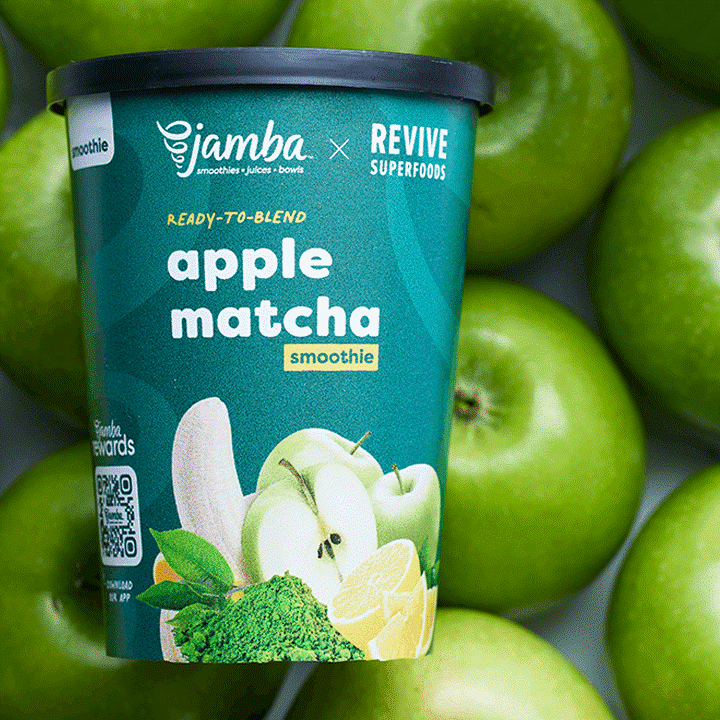
Looking at apple matcha smoothie benefits means considering more than the headline ingredients. Revive’s blend also includes banana, pineapple, broccoli, and a matcha-lemon cube, all frozen and pre-portioned. Its label lists 130 calories, 5 g of fiber, 50 mg of vitamin C, and no added sugars per 228 g package. Below, you’ll see how the flavors work together, what each ingredient contributes, how to read the nutrition numbers, and how to blend the cup so it tastes balanced.

Why Apple and Matcha Taste Better Together

Matcha has an earthy, lightly bitter character. Apple moves the flavor in the opposite direction with crisp sweetness and gentle acidity. Pineapple and lemon sharpen that fruit profile, while banana rounds the edges and gives the blended drink a smoother body. The result is a green smoothie that still tastes like matcha but does not ask the tea to carry the entire flavor.

Broccoli adds another vegetable to the blend, yet the sweeter fruit ingredients keep it from becoming the dominant note. That balance gives Apple Matcha a distinct place on the broader smoothie menu: it is approachable for people who are newer to matcha while still keeping the fresh, tea-led character that matcha fans expect.

What Is Inside the Apple Matcha Smoothie?

The ingredient list is short and easy to follow. Each item has a clear job in the flavor or texture, and the matcha comes in a lemon cube that distributes the tea and citrus through the blend.

Ingredient What it contributes What the product page lists
Apple Crisp fruit flavor, sweetness, and acidity Apple, ascorbic acid, and citric acid
Banana Creamier texture and mellow sweetness Banana, ascorbic acid, citric acid, and malic acid
Pineapple Tropical brightness that lifts the matcha Pineapple
Broccoli A vegetable component that sits behind the fruit flavors Broccoli
Matcha-lemon cube Earthy tea flavor, lemon lift, and naturally occurring caffeine Water, lemon pulp, and matcha

The ingredient list also helps explain the taste. Apple and banana supply the familiar fruit base, pineapple and lemon add brightness, and matcha provides the distinctive green-tea finish. The label’s “no added sugars” statement refers to added sweeteners; the Nutrition Facts panel still lists 20 g of total sugars from the ingredients in the package.

How to Read the Nutrition Highlights

One 228 g package lists 130 calories, 31 g of carbohydrate, 0.5 g of fat, and 2 g of protein. The more useful details for many readers are the 5 g of fiber, equal to 18% of the Daily Value, and 50 mg of vitamin C, equal to 56% of the Daily Value. The label also lists 400 mg of potassium, 1 mg of iron, and 10 mg of sodium.

Those numbers make the smoothie easy to place within your day. It contributes fiber and vitamin C, but it is not a high-protein option. If you want it to serve as a more substantial breakfast, consider pairing it with a protein-containing food that fits your preferences and dietary needs. Any liquid or add-in you use will also change the finished drink’s calories, sugars, and other nutrition totals.

Matcha naturally contains caffeine, and the product page does not state an exact amount per cup. If you are sensitive to caffeine, pregnant, breastfeeding, taking medication, or managing a health condition, consider your timing and overall caffeine intake and ask a qualified health professional when needed.

Practical Benefits Without Overpromising

The clearest benefit is convenience. The fruit, broccoli, and matcha-lemon cube are already portioned and frozen, so you can skip washing, chopping, and measuring. A frozen smoothie delivery can make it easier to keep several flavors available without buying full-size packages of every ingredient.

Apple Matcha also offers variety within smoothie boxes. Its crisp fruit-and-tea profile feels different from berry-heavy, chocolate, or coffee-based blends, which can help keep a routine from becoming repetitive. The 5 g of fiber and vitamin C content are meaningful nutrition highlights, but they should be understood as parts of your overall diet, not guarantees of a specific health result.

This is especially useful if you like matcha but find straight matcha drinks too bitter. Apple, banana, pineapple, and lemon make the flavor more approachable, while the pre-portioned format helps you reproduce the same balance each time you blend.

How to Blend Apple Matcha for the Best Flavor

Revive’s preparation directions are simple: fill the cup to the top with your preferred liquid, pour the contents into a blender, blend until smooth, and return the smoothie to the cup. The official liquid guide recommends apple juice for Apple Matcha because it reinforces the crisp fruit flavor and balances the tea.

Choose the liquid with your preferred sweetness in mind. Apple juice will make the blend sweeter and will add calories and sugar beyond the package’s posted Nutrition Facts. A less sweet liquid will let the earthy matcha and lemon come through more clearly. Add the liquid gradually if you prefer a thicker texture, and blend long enough for the broccoli and frozen fruit to become completely smooth.

Choose a Smoothie That Fits Your Routine

Apple Matcha is a practical fit when you want a crisp green smoothie with a recognizable tea note, convenient preparation, and clear nutrition information. Review the ingredient list and caffeine considerations, then choose your liquid based on how sweet and thick you want the final blend to be.

At Revive Superfoods, we make Apple Matcha as a frozen, pre-portioned cup designed for quick blending. Check the current product page for the latest ingredients and Nutrition Facts, then decide if its fruit-forward matcha profile belongs in your next box.

Posted on Leave a comment

Mango Matcha Smoothie Benefits and What’s Inside It

Mango Matcha Smoothie Benefits

A fruit smoothie can taste refreshing and still leave you wondering what it actually contributes to your day. With mango, pineapple, banana, spinach, and matcha in one cup, this blend brings together tropical sweetness, greens, and naturally caffeinated tea in a format that takes only a few minutes to prepare.

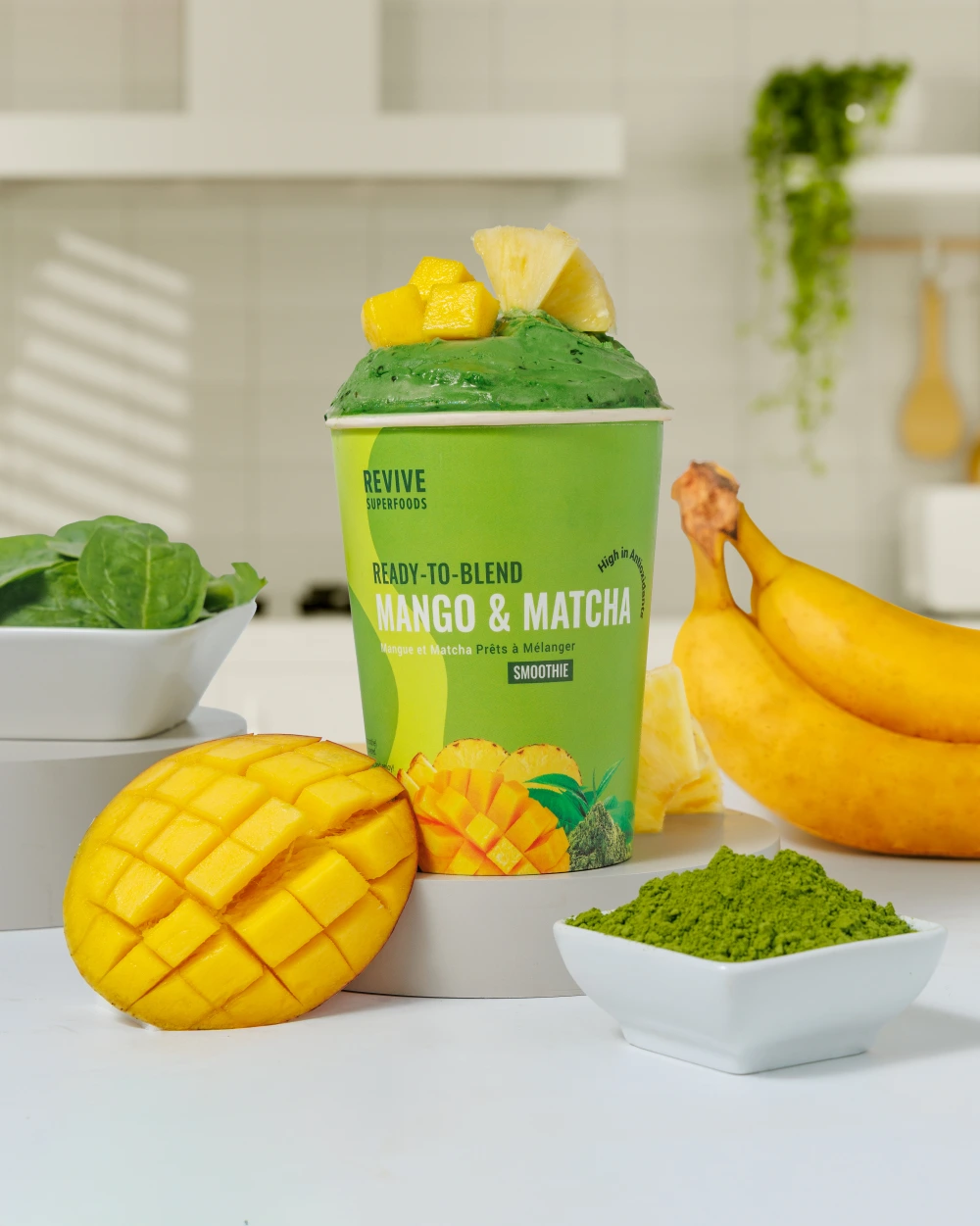
Understanding the mango matcha smoothie benefits starts with looking at the complete ingredient list and nutrition label, not treating any single ingredient as a shortcut to better health. Revive Superfoods’ Mango & Matcha smoothie contains 130 calories, 4 grams of fiber, 500 milligrams of potassium, and meaningful amounts of vitamins A and C per 212-gram package. Below, you’ll see what each ingredient adds, how the blend may fit into your routine, and what to consider when choosing liquids or add-ins.

What’s Inside the Mango & Matcha Smoothie?

The ingredient list is short: mango, pineapple, banana, spinach, and matcha. Each component has a practical role in the flavor, texture, color, or nutrition of the finished smoothie. The fruit creates the sweet, creamy base, spinach adds a mild green element, and matcha gives the blend its earthy tea note.

Ingredient What It Adds to the Blend What You May Notice
Mango Tropical sweetness and a smooth fruit base A bright mango flavor and vitamin C contribution
Pineapple Tartness and acidity that balance the sweeter fruit A fresher finish and additional tropical flavor
Banana Body, creaminess, and naturally occurring carbohydrates A thicker texture and rounded sweetness
Spinach A mild leafy green component Green color and extra micronutrients without a strong vegetable taste
Matcha Powdered green tea with naturally occurring caffeine and L-theanine An earthy tea flavor and a gentle bitter edge that balances the fruit

The result is closer to a tropical green tea smoothie than a dessert-style shake. Mango and banana lead the flavor, pineapple keeps it lively, and matcha prevents the cup from tasting one-dimensional. Because spinach is mild, it supports the blend without dominating it.

Mango Matcha Smoothie Benefits at a Glance

The most useful way to evaluate the smoothie is to review the full serving. Revive Superfoods lists the following nutrition information for one 212-gram package before you add your preferred liquid.

Nutrient Amount per Package Practical Context
Calories 130 A relatively light base that can work as a snack or part of a larger meal
Carbohydrate 31 g Primarily supplies ready-to-use energy from the fruit blend
Fiber 4 g Contributes to daily fiber intake
Sugars 23 g Total sugar listed on the label; the product ingredient list does not show a separate sweetener
Protein 3 g Lower than a protein-focused smoothie
Potassium 500 mg A meaningful contribution to daily potassium intake
Vitamin A 1,200 mcg Listed as 133% of the Daily Value on the product label
Vitamin C 78 mg Listed as 87% of the Daily Value on the product label

These numbers make the smoothie’s strengths clear. It is fruit-forward, high in vitamins A and C according to the label, and provides fiber and potassium in a light serving. It also has enough carbohydrates to be useful when you want something quick before a busy morning or active part of the day.

The label also shows where the smoothie is less complete on its own. With 3 grams of protein and very little fat, it may not keep everyone satisfied as long as a balanced meal. Your best use depends on your appetite, schedule, and what you add to the blender.

How the Ingredients Support the Overall Blend

Mango and pineapple do much of the nutritional and flavor work. They create the tropical profile and help account for the smoothie’s vitamin C. Banana makes the texture creamier and supplies carbohydrates that are easy to use when you need convenient fuel.

Spinach adds a vegetable to the cup without changing the flavor as much as heartier greens might. It also helps create the smoothie’s green color and broadens the range of plant foods in the blend.

Matcha makes this smoothie distinct from a standard mango smoothie. It is finely ground green tea, so you consume the tea leaf powder instead of only an infusion. Matcha naturally contains caffeine as well as L-theanine. The product page does not list an exact caffeine amount, which means people who are sensitive to caffeine should pay attention to timing and personal tolerance.

The strongest benefit comes from the combination. Fruit makes matcha easier to enjoy, matcha adds a tea character that balances the sweetness, and spinach adds greens without turning the smoothie grassy.

When This Smoothie Fits Your Routine

The Mango & Matcha smoothie is especially well suited to mornings. The fruit provides carbohydrates, while matcha gives the cup a naturally caffeinated element. It can be a practical option when you want something cold and quick but do not want coffee.

It can also work as a light afternoon snack. The 130-calorie base and 4 grams of fiber make it more substantial than a sweet drink, while the portion remains light enough to pair with another food. Because it contains caffeine, late-day timing may matter if caffeine affects your sleep.

Before exercise, the carbohydrate content may be useful for people who prefer a lighter option. After exercise, the 3 grams of protein may be lower than you need for your recovery goals. In that situation, you can add a protein source or choose a blend designed around higher protein.

How to Customize the Smoothie

The liquid you choose changes the flavor, thickness, and nutrition of the final cup. Revive Superfoods recommends filling the cup with your preferred liquid, blending until smooth, and pouring it back into the cup. The brand’s liquid guide can help you compare options.

For a lighter, brighter cup, water or coconut water keeps the fruit and matcha flavors prominent. A dairy or fortified plant-based milk creates a creamier texture and may add protein, calcium, or other nutrients depending on the product you select.

You can also adjust the smoothie based on the role you want it to play:

  • For more protein: Use a higher-protein milk, yogurt, or protein powder. You can also compare it with the High Protein Mango smoothie, which is formulated with 26 grams of whey protein.
  • For more staying power: Add a small portion of chia seeds, hemp seeds, nut butter, or yogurt.
  • For a thinner texture: Add a little more liquid after the first blend. For a thicker texture, begin with less and add more gradually.
  • For a softer matcha flavor: A creamier liquid can round out the tea notes. For a sharper, more refreshing flavor, coconut water keeps the tropical ingredients forward.

Add-ins change the final nutrition facts, so the best combination is the one that matches your appetite and the rest of your day.

What to Know About Caffeine, Sugar, and Protein

Matcha is a source of caffeine, but the product page does not provide the amount per serving. This matters if you are caffeine-sensitive, limit caffeine for personal reasons, or plan to drink the smoothie later in the day. Start with the timing that works for you and avoid assuming it has the same caffeine level as coffee or another matcha drink.

The nutrition label lists 23 grams of total sugar. The ingredient list shown on the product page contains fruit, spinach, and matcha, without a separate sweetener. Total sugar still counts toward your daily intake, so consider the smoothie in the context of the other foods and drinks you choose.

Protein is the other important consideration. Three grams is enough to contribute to your daily total, but this is not a high-protein smoothie. If you want breakfast to keep you full for several hours or need more protein after training, pair the smoothie with a protein-rich food or add one during blending.

Build a Mango Matcha Routine That Fits Your Week

A smoothie is most useful when it solves a real routine problem. The Mango & Matcha blend can give you a quick morning option, a lighter snack, or an easy way to keep fruit and greens ready in the freezer. Adding it to a planned smoothie subscription box can also help you rotate flavors and choose different nutrition profiles for different days.

Start by deciding what you need from the cup. Use it as prepared when you want a light tropical matcha smoothie. Add protein or healthy fat when you need more staying power. Choose an earlier time of day when caffeine affects you, and select a different blend when your priority is higher protein.

Revive Superfoods makes the Mango & Matcha smoothie pre-portioned and ready to blend, so you can spend less time measuring ingredients and more time building a routine you can maintain.

Posted on Leave a comment

Spinach Mango Smoothie Benefits and Ingredient Breakdown

Spinach Mango Smoothie Benefits

If you’re looking for a smoothie that disguises powerhouse greens behind tropical sweetness while delivering serious nutrition, the spinach mango smoothie benefits from Revive Superfoods proves that healthy doesn’t have to taste green. Nine whole-food ingredients. Ten essential nutrients. Just 140 calories packed with an astounding 137% of your daily vitamin K, 66% vitamin C, and a 4.8-star rating from customers who can’t believe something this nutritious tastes this good. Here’s exactly what this green powerhouse does for your body and why each carefully selected ingredient matters.

Spinach Mango Smoothie Benefits That Matter

The benefits of the spinach mango smoothie extend far beyond masking vegetables with fruit. This strategic combination leverages spinach’s iron and vitamin K for blood health, mango’s vitamin A for immune function, pineapple’s bromelain for inflammation reduction, and chia seeds’ omega-3s for brain support. Each ingredient plays multiple nutritional roles while contributing to a tropical flavor profile that makes getting your greens genuinely enjoyable. The result is a 140-calorie smoothie that supports bone health, immune function, digestive wellness, and cellular protection while tasting like a tropical vacation rather than a salad.

It Delivers an Exceptional 137% Daily Vitamin K

With 164.5 micrograms of vitamin K – more than a full day’s requirement – this smoothie provides serious support for blood clotting and bone metabolism. This fat-soluble vitamin, primarily found in spinach and kale, plays a crucial role in calcium regulation, directing it to your bones rather than allowing it to accumulate in your arteries. Vitamin K works synergistically with vitamin A (28% of the daily value) and calcium (6% of the daily value) in this blend to help maintain bone density and prevent osteoporosis. Recent research also shows that vitamin K supports cognitive function and may help prevent age-related mental decline.

It Provides Clean Digestive Support

The 5 grams of fiber (18% of the daily value) come from a diverse array of sources – chia seeds, flax seeds, spinach, kale, and tropical fruits – providing comprehensive digestive support. This isn’t just bulk fiber; it’s a combination of soluble and insoluble fibers that feed different beneficial gut bacteria while promoting regular bowel movements. The soluble fiber from chia and flax seeds forms a gel-like substance that slows digestion, stabilizes blood sugar, and helps lower cholesterol. The insoluble fiber in leafy greens helps keep your digestive tract moving, preventing constipation and reducing IBS symptoms.

It Boosts Immune Function and Cellular Protection

With 66% of your daily vitamin C from whole-food sources, this smoothie provides robust immune support that goes beyond basic cold prevention. Vitamin C works alongside vitamin A (28% daily value) to create a powerful immune-boosting combination. Vitamin A maintains the integrity of skin and mucous membranes – your body’s first line of defense against pathogens. The antioxidants from mango protect cells from oxidative stress, while the anti-inflammatory compounds in pineapple reduce chronic inflammation that weakens the immune response.

It Delivers Sustained Energy Without Crashes

Despite containing 18 grams of natural fruit sugars, this smoothie provides steady energy thanks to its balanced macronutrient profile. The 5 grams of pea protein slow sugar absorption, preventing blood glucose spikes. The fiber content further moderates the release of sugar into your bloodstream. The iron content (8% of the daily value) in spinach supports oxygen transport to cells, helping combat fatigue at the cellular level. The B vitamins from leafy greens support energy metabolism, helping your body efficiently convert food into usable fuel.

What’s Inside the Spinach Mango Smoothie?

Nine carefully selected ingredients create a nutritional profile that rivals expensive supplements while tasting like a tropical treat. Here’s what we put in our green blend and why each component delivers specific health benefits.

The Tropical Fruit Foundation

Mango leads the ingredient list, bringing more than just tropical sweetness. This golden fruit is rich in vitamin A as beta-carotene, supporting eye health, immune function, and skin integrity. Mangoes contain unique antioxidants, including mangiferin, dubbed the “super antioxidant” for its ability to protect against oxidative stress, inflammation, and several chronic diseases. The digestive enzymes in mango, particularly amylases, help break down complex carbohydrates for better nutrient absorption.

Pineapple adds tropical brightness while delivering bromelain, a powerful enzyme complex with anti-inflammatory properties comparable to those of pharmaceutical NSAIDs, but without side effects. Bromelain aids protein digestion, reduces exercise-induced muscle damage, and may help reduce symptoms of sinusitis and arthritis. The vitamin C and manganese content support collagen production for healthy skin and joints.

Banana provides natural creaminess and sweetness while contributing essential nutrients. The preservation acids enhance nutrient absorption and add subtle brightness to balance the earthiness of greens. Bananas deliver potassium for heart health (contributing to the 10% daily value), vitamin B6 for brain function, and resistant starch that feeds beneficial gut bacteria.

The Green Superfood Base

Spinach is the nutritional powerhouse of this blend, providing exceptional amounts of vitamin K, iron, and folate. Despite its mild flavor when blended with fruit, spinach delivers serious nutrition – iron for oxygen transport, folate for DNA synthesis and repair, and lutein for eye health. The nitrates in spinach convert to nitric oxide in your body, improving blood flow and lowering blood pressure. The thylakoids in spinach may also help reduce food cravings and promote weight loss.

Kale adds to the vitamin K content while providing glucosinolates – sulfur-containing compounds with powerful anti-cancer properties. This cruciferous vegetable provides vitamin C, calcium, and unique antioxidants such as quercetin and kaempferol that help reduce inflammation and protect against heart disease. When combined with the tropical fruits, kale’s slightly bitter notes are completely masked, making this an easy way to get your greens.

The Protein and Omega Additions

Pea protein provides 5 grams of complete plant-based protein, containing all nine essential amino acids necessary for muscle repair and growth. Unlike many protein powders, pea protein is easily digestible and hypoallergenic. It helps create lasting satiety, stabilizes blood sugar, and supports lean muscle mass. The arginine content in pea protein supports healthy blood flow and immune function.

Chia seeds are nutritional giants despite their tiny size, providing omega-3 fatty acids for brain health and inflammation reduction. They absorb up to 10 times their weight in water, creating a gel-like consistency that improves smoothie texture while promoting hydration. Chia seeds deliver calcium for bone health, magnesium for muscle function, and antioxidants that prevent the omega-3s from going rancid.

Flax seeds add additional omega-3s while providing lignans – unique fiber-related polyphenols with antioxidant and estrogen-like properties that may help prevent certain cancers. Ground flax seeds are more bioavailable than whole seeds, ensuring you absorb their nutrients. They contribute to the smoothie’s fiber content while adding a subtle nuttiness that complements the tropical flavors.

Why This Ingredient Combination Produces Superior Results

The benefits of the spinach mango smoothie aren’t accidental – they’re the result of intentional nutritional synergy. The vitamin C from tropical fruits dramatically enhances iron absorption from spinach, increasing bioavailability by up to 300%. The healthy fats in chia and flax seeds help your body absorb fat-soluble vitamins A and K, maximizing their benefits. The combination of quick-digesting fruit sugars and slow-digesting protein and fiber provides both immediate and sustained energy.

This formulation reflects modern nutritional science. The diverse fiber sources create a prebiotic environment that supports various beneficial bacterial strains in your gut microbiome. The mix of antioxidants – carotenoids from mango, flavonoids from kale, and lignans from flax – acts on distinct cellular pathways to provide comprehensive protection. Every ingredient serves multiple functions, creating a nutritional whole that’s greater than the sum of its parts.

How Spinach Mango Smoothie Supports Specific Health Goals

For Bone Health and Osteoporosis Prevention

The exceptional vitamin K content makes this smoothie particularly beneficial for bone health. Vitamin K activates osteocalcin, a protein that binds calcium to bones. Combined with calcium from leafy greens and vitamin A from mango, this creates comprehensive bone support. The anti-inflammatory compounds reduce bone loss associated with chronic inflammation. Regular consumption may help prevent osteoporosis and reduce fracture risk, especially important for women over 50.

For Eye Health and Vision Protection

The combination of vitamin A from mango, lutein from spinach, and zeaxanthin from kale creates powerful protection for eye health. These carotenoids accumulate in the retina, filtering harmful blue light and protecting against age-related macular degeneration. The vitamin C content supports healthy blood vessels in the eyes, reducing the risk of cataracts. For those spending long hours in front of screens, these nutrients help reduce eye strain and maintain visual acuity.

For Digestive Health and Regularity

The 18% daily fiber value from multiple sources creates comprehensive digestive support. Soluble fiber from seeds feeds beneficial bacteria that produce short-chain fatty acids, supporting colon health and reducing inflammation. Insoluble fiber from greens promotes regular bowel movements and prevents constipation. The digestive enzymes from mango and pineapple aid nutrient breakdown and absorption, reducing bloating and digestive discomfort.

For Weight Management and Metabolic Health

At just 140 calories with 5 grams each of fiber and protein, this smoothie provides exceptional satiety for its calorie content. The protein and fiber slow gastric emptying, keeping you full for hours. The iron and B vitamins support metabolism, helping your body burn calories efficiently. The thylakoids from spinach may reduce hunger hormones and sweet cravings. The stable blood sugar response prevents insulin spikes that promote fat storage.

How Revive Superfoods Makes It Work

No artificial ingredients, no added sugars, no compromise on quality or taste. At Revive Superfoods, every smoothie arrives pre-portioned and flash-frozen at peak nutrition with premium ingredients sourced globally – just blend with your liquid of choice and enjoy. The Spinach Mango Smoothie exemplifies this commitment: nine nutrient-dense superfoods, delivered in a simple, delicious package that makes eating your greens genuinely enjoyable.

Check out our complete smoothie collection and build your ideal rotation. When healthy tastes this tropical, better nutrition becomes effortless.

Posted on Leave a comment

Strawberry Goji Berry Smoothie Benefits and Nutritional Ingredients

Strawberry Goji Berry Smoothie Benefits

If you’re searching for a smoothie that delivers genuine nutrition while satisfying your sweet tooth naturally, the strawberry goji berry smoothie benefits from Revive Superfoods deserves serious consideration. Ten whole-food ingredients. Zero added sugars. Just 130 calories packed with 62% of your daily vitamin C, 35% manganese for cellular protection, and a perfect sweet-tart flavor that customers rate 4.2 out of 5 stars. Here’s what this antioxidant powerhouse actually does for your body and why each carefully selected ingredient matters.

Strawberry Goji Berry Smoothie Benefits That Matter

The strawberry goji berry smoothie benefits stem from an intentional combination of superfoods that each bring specific nutritional advantages. This isn’t marketing hype about trendy ingredients – it’s a strategically designed blend in which strawberries provide vitamin C for immune support, goji berries deliver rare zeaxanthin for eye health, cranberries add proanthocyanidins for urinary tract protection, and beets supply nitrates for cardiovascular function. The addition of protein-rich seeds and anti-inflammatory ginger creates a 130-calorie smoothie that supports multiple body systems while tasting like a berry dessert you’d actually crave.

It Delivers an Exceptional 62% Daily Vitamin C

With 56mg of vitamin C from whole-food sources, this smoothie provides serious immune system support that goes beyond basic cold prevention. Vitamin C comes primarily from strawberries and cranberries, creating superior bioavailability compared to synthetic supplements. This essential vitamin doesn’t just boost immunity – it’s crucial for collagen synthesis that keeps skin firm and joints healthy, acts as a powerful antioxidant neutralizing free radicals before they damage cells, and enhances iron absorption from the plant-based sources in this blend. Combined with the immune-modulating polysaccharides from goji berries, you get multi-layered immune protection.

It Provides Sustained Energy Without Sugar Crashes

With only 14 grams of natural sugars and absolutely zero added sugars, this smoothie delivers clean energy that actually lasts. The 6 grams of fiber (21% daily value) from chia seeds, pumpkin seeds, and whole berries slows sugar absorption, preventing the spike-and-crash cycle of refined sugars. The 4 grams of plant-based protein help stabilize blood sugar further while supporting muscle recovery. The 35% daily value for manganese directly supports energy metabolism, helping your mitochondria – your cellular powerhouses – produce ATP efficiently.

It Boosts Heart and Cardiovascular Health

The combination of strawberries, cranberries, and goji berries creates one of the most powerful heart-protective profiles available in whole foods. Cranberries contain heart-healthy antioxidants clinically shown to improve cholesterol levels and blood pressure. The nitrates from beets convert to nitric oxide in your body, dilating blood vessels and improving blood flow. With zero cholesterol, minimal sodium (just 2% daily value), and 9% of your daily potassium, this smoothie actively supports healthy blood pressure and cardiovascular function.

It Delivers Comprehensive Antioxidant Protection

The diverse antioxidant profile – anthocyanins from strawberries, proanthocyanidins from cranberries, zeaxanthin from goji berries, and betalains from beets – creates multiple layers of cellular protection. These compounds work synergistically to neutralize different types of free radicals throughout your body. Goji berries alone contain 18 amino acids and 21 trace minerals, making them one of the most nutrient-dense foods on the planet. Vitamin E (7% of the daily value) provides fat-soluble antioxidant protection, while ground ginger contains gingerol compounds with powerful anti-inflammatory effects.

What’s Inside the Strawberry Goji Berry Smoothie?

Ten carefully selected ingredients, each chosen for specific nutritional benefits while contributing to a sweet-tart flavor profile that makes healthy eating enjoyable. Here’s exactly what we put in our antioxidant-rich blend and why each component delivers measurable health benefits.

The Antioxidant Berry Foundation

Strawberries lead the ingredient list, bringing more than just natural sweetness. These vitamin C powerhouses are among the most antioxidant-rich fruits available, with studies showing they can reduce oxidative stress markers by up to 38%. The ellagic acid in strawberries has demonstrated anti-cancer properties, while their anthocyanins protect against heart disease. Peruvian strawberries, grown at high altitude, develop higher antioxidant concentrations as a natural defense mechanism – benefits that transfer directly to you.

Cranberries add a pleasant tartness while delivering unique health benefits. These ruby gems are famous for preventing urinary tract infections thanks to their proanthocyanidins that prevent bacteria from adhering to bladder walls. They’re packed with vitamin A for vision health, vitamin C for immunity, and vitamin E for skin protection. Canadian cranberries, grown in harsh climates, develop exceptional phytonutrient density.

Goji berry powder concentrates the benefits of these legendary superfruits. Used in traditional Chinese medicine for over 2,000 years, goji berries contain rare nutrients like zeaxanthin for eye health, germanium for immune support, and unique polysaccharides that modulate immune function. They provide all eight essential amino acids – unusual for a fruit – making them a complete protein source.

The Vegetable and Fruit Support

Banana adds natural creaminess and sweetness while providing essential nutrients. The natural preservation acids actually enhance nutrient absorption and add a subtle brightness that balances the berry flavors. Bananas contribute potassium for heart health, vitamin B6 for brain function, and resistant starch that feeds beneficial gut bacteria.

Beets bring earthy sweetness and exceptional cardiovascular benefits. The nitrates in beets convert to nitric oxide, which improves blood flow and lowers blood pressure. Betalain pigments provide anti-inflammatory effects while supporting the body’s natural detoxification processes. The folate content supports cellular health and DNA synthesis.

The Protein and Omega Additions

Pumpkin seeds add subtle nuttiness while providing complete protein and healthy fats. They’re among the best plant sources of magnesium (contributing to the 11% daily value), which is essential for over 300 enzymatic reactions in your body. The zinc content supports immune function and wound healing, while the tryptophan aids serotonin production to support mood.

Pea protein provides 4 grams of easily digestible plant-based protein without the chalky taste of many protein powders. It contains all nine essential amino acids, supports muscle recovery, and helps create lasting satiety. The arginine content supports healthy blood flow and immune function.

Chia seeds are nutritional powerhouses despite their tiny size. They provide omega-3 fatty acids for brain health, soluble fiber for digestive support, and calcium for bone strength. When blended, they create a gel-like consistency that improves smoothie texture while slowing digestion for sustained energy.

The Flavor and Function Enhancers

Lemon juice powder brightens all the berry flavors while adding vitamin C and citric acid, which enhances mineral absorption. Limonene compounds support liver detoxification and have shown anticancer properties in research studies.

Ground ginger adds warming spice and powerful therapeutic benefits. Gingerol, the active compound in ginger, reduces inflammation, aids digestion, and can reduce exercise-induced muscle soreness by up to 25%. It enhances circulation, supporting the cardiovascular benefits of the other ingredients.

Why This Ingredient Combination Produces Superior Results

The strawberry goji berry smoothie benefits aren’t random – they’re the result of intentional nutritional synergy. The vitamin C from multiple berries enhances iron absorption from the seeds and greens. The healthy fats from pumpkin and chia seeds help your body absorb fat-soluble vitamins like vitamin A and E. The combination of soluble and insoluble fiber from different sources creates comprehensive digestive support while feeding diverse gut bacteria.

This formulation reflects cutting-edge nutritional science. The mix of quick-digesting fruit sugars and slow-digesting protein and fiber provides both immediate and sustained energy. The diverse antioxidant compounds work on different cellular pathways, providing broader protection than any single superfood could offer. Every ingredient serves multiple functions – flavor, texture, and specific health benefits – creating a nutritional whole that’s greater than the sum of its parts.

How Strawberry Goji Berry Smoothie Supports Specific Health Goals

For Immune System Enhancement

The exceptional vitamin C content (62% of the daily value), combined with vitamin A (6% of the daily value), provides robust immune support. The unique polysaccharides in goji berries act as immunomodulators, helping your immune system respond appropriately to threats without overreacting. The zinc from pumpkin seeds supports immune cell production and function. The prebiotic fiber feeds gut bacteria that produce 70% of your immune cells, creating comprehensive immune protection from multiple angles.

For Eye Health and Vision Protection

Goji berries contain the highest concentration of zeaxanthin of any common food – a carotenoid that accumulates in your retina and protects against age-related macular degeneration. Combined with vitamin A from cranberries and vitamin C from strawberries, this smoothie provides triple protection for eye health. These nutrients work together to prevent cataracts, reduce eye strain from screens, and maintain night vision.

For Athletic Performance and Recovery

The nitrates from beets improve oxygen delivery to muscles, enhancing endurance by up to 16% in some studies. The anti-inflammatory compounds from ginger and berries reduce exercise-induced muscle damage and soreness. The 4 grams of complete protein support muscle repair, while the manganese content (35% of the daily value) supports cellular energy production. The natural sugars replenish glycogen stores without causing insulin spikes.

For Skin Health and Anti-Aging

The vitamin C content supports collagen production, keeping skin firm and reducing wrinkle formation. Vitamin E protects skin cells from UV damage and environmental stressors. The antioxidants in berries neutralize free radicals that accelerate aging, while the omega-3s in chia seeds help maintain skin hydration and reduce inflammation. The vitamin A content supports skin cell turnover, keeping the complexion clear and bright.

How Revive Superfoods Makes It Work

No shortcuts, no artificial ingredients, no added sugars – ever. At Revive Superfoods, every smoothie comes pre-portioned and flash-frozen at peak nutrition with premium ingredients sourced globally – simply blend with your preferred liquid and enjoy. The Strawberry Goji Berry Smoothie exemplifies this commitment: ten nutrient-dense superfoods delivered in a simple, delicious package that actually tastes like a treat.

Explore our entire smoothie collection and build your perfect rotation. When healthy tastes this good, better nutrition becomes automatic.

Posted on Leave a comment

Pineapple Coconut Smoothie Benefits and Ingredient Highlights

Coconut Smoothie Benefits

If you want a smoothie that tastes like a tropical vacation while delivering serious nutritional benefits, the coconut smoothie benefits from Revive Superfoods’ Pineapple Coconut blend deserve your attention. At just 120 calories with zero added sugars, this isn’t just another fruit smoothie masquerading as healthy – it’s a carefully crafted blend of six superfoods that delivers 109% of your daily vitamin C, supports digestive health with psyllium husk fiber, and provides sustained energy through natural ingredients. Here’s exactly what this tropical powerhouse does for your body and why each ingredient matters.

Pineapple Coconut Smoothie Benefits That Matter

The coconut smoothie benefits extend far beyond the tropical flavor that makes this blend feel like an indulgence. This strategic combination leverages pineapple’s bromelain enzyme for anti-inflammatory support, coconut yogurt’s probiotics for gut health, cauliflower’s vitamin C for immune function, and psyllium husk’s soluble fiber for digestive regulation. Each ingredient plays multiple nutritional roles while contributing to a piña colada flavor profile that customers consistently rate 4.1 out of 5 stars. The result is a 120-calorie smoothie that supports immunity, digestion, and cellular health while tasting like a beach vacation.

It Delivers an Exceptional 109% Daily Vitamin C

With 98mg of vitamin C – more than an entire day’s requirement – this smoothie provides serious immune system support in every serving. This vitamin C comes from multiple whole-food sources, including pineapple and cauliflower, creating better bioavailability than synthetic supplements. Vitamin C doesn’t just boost immunity; it supports collagen production for skin health, acts as a powerful antioxidant protecting cells from oxidative damage, and enhances iron absorption from plant-based sources. The combination with pineapple’s bromelain enzyme creates synergistic anti-inflammatory effects that reduce recovery time after exercise.

It Provides Clean Digestive Support

The 4 grams of fiber (14% daily value) come from a unique combination of sources, with psyllium husk leading the charge as one of nature’s most effective digestive aids. Psyllium husk is a soluble fiber that forms a gel-like substance in your digestive tract, promoting regular bowel movements while feeding beneficial gut bacteria. Combined with the prebiotic inulin from coconut yogurt and the natural fiber from banana and cauliflower, this creates comprehensive digestive support that helps prevent constipation, reduce IBS symptoms, and promote nutrient absorption.

It Boosts Energy Without Sugar Crashes

With only 17 grams of natural sugars and zero added sugars, this smoothie provides clean energy that actually lasts. The 21% daily value of vitamin B6 directly supports energy metabolism, helping your body convert food into usable fuel. The fiber content slows sugar absorption, preventing the spike-and-crash cycle of refined sugars. The natural fruit sugars from pineapple and banana provide quick energy for immediate needs, while the fiber and small amount of protein ensure steady blood sugar levels throughout your morning.

It Delivers Comprehensive Mineral Support

Beyond the headline nutrients, this smoothie provides essential minerals often lacking in modern diets. The 6% daily calcium supports bone health, working synergistically with the magnesium from coconut yogurt. The 6% daily iron is particularly valuable in a plant-based form, especially when combined with the high vitamin C content, which dramatically improves iron absorption. The 10% daily vitamin K supports blood clotting and bone metabolism, while potassium helps regulate blood pressure and muscle function.

What’s Inside the Pineapple Coconut Smoothie?

Six carefully selected ingredients create a nutritional profile that rivals supplements while tasting like dessert. Here’s what we put in our tropical blend and why each component delivers specific health benefits.

The Tropical Fruit Foundation

Pineapple leads the ingredient list, bringing more than just tropical flavor. This Costa Rican superfruit contains bromelain, a unique enzyme complex with powerful anti-inflammatory properties that can reduce exercise-induced muscle damage and accelerate recovery. Pineapple is loaded with antioxidants, including vitamin C, flavonoids, and phenolic compounds that protect against cellular damage and support heart health. The natural sweetness eliminates any need for added sugars while providing manganese for bone formation and metabolism.

Bananas from Ecuador add natural creaminess and sweetness while contributing essential nutrients. The preservation with ascorbic acid, citric acid, and malic acid not only maintains freshness but also enhances nutrient absorption and adds a subtle brightness to the flavor. Bananas provide quick-digesting carbohydrates for immediate energy, potassium for heart health and muscle function, and resistant starch that feeds beneficial gut bacteria. They create the smooth, satisfying texture that makes this smoothie feel indulgent.

The Hidden Vegetable Power

Cauliflower might seem like an odd addition to a tropical smoothie, but it’s a nutritional genius move. This cruciferous vegetable provides substantial amounts of vitamin C and B vitamins without affecting taste – the tropical flavors completely mask any vegetable notes. Cauliflower provides glucosinolates, sulfur-containing compounds with anti-cancer properties, while adding volume and nutrients for minimal calories. It’s the secret to making this smoothie nutrient-dense while keeping it light at just 120 calories.

The Probiotic and Fiber Additions

Coconut yogurt brings creamy richness without dairy, making this smoothie accessible for those with lactose intolerance or following plant-based diets. Made from fermented coconut milk with active bacterial cultures, it provides probiotics that support gut health and immune function. The addition of inulin as a prebiotic fiber feeds these beneficial bacteria, creating a symbiotic effect. The calcium and magnesium content support bone health, while the natural coconut flavor enhances the tropical profile.

Psyllium husk is the digestive health superstar of this blend. This soluble fiber absorbs water to form a gel-like substance that promotes regular bowel movements, reduces cholesterol levels, and helps stabilize blood sugar. Unlike many fiber supplements that can cause bloating, psyllium husk is gentle on the digestive system when consumed with adequate liquid. It creates lasting satiety despite the smoothie’s low calorie count.

Pineapple extract intensifies the tropical flavor while concentrating the beneficial compounds found in whole pineapple. This natural extract ensures consistent pineapple flavor year-round while boosting the bromelain content for enhanced anti-inflammatory benefits.

Why This Ingredient Combination Produces Superior Results

The benefits of the pineapple coconut smoothie aren’t accidental – they’re the result of intentional nutritional synergy. The high vitamin C content from pineapple and cauliflower enhances the absorption of plant-based iron. The probiotic cultures in coconut yogurt work with the prebiotic fibers to create a thriving gut microbiome. The combination of soluble fiber from psyllium husk and insoluble fiber from whole fruits creates comprehensive digestive support.

This formulation reflects modern nutritional science. The enzyme activity of bromelain is preserved by flash freezing, thereby maintaining its anti-inflammatory properties. The fermented coconut yogurt provides bioavailable calcium, which is often lacking in plant-based diets. Every ingredient serves multiple functions – flavor, texture, and specific nutritional benefits – creating a smoothie that’s both delicious and genuinely supportive of health goals.

How Pineapple Coconut Smoothie Supports Specific Health Goals

For Immune System Support

The exceptional vitamin C content – 109% daily value – provides robust immune support that goes beyond basic cold prevention. Vitamin C enhances white blood cell production and function, protects immune cells from oxidative damage, and supports the skin barrier that serves as your first line of defense. Combined with the probiotics from coconut yogurt that support gut immunity (where 70% of immune cells reside), this creates multi-layered immune protection.

For Digestive Health and Regularity

The combination of psyllium husk, inulin, and natural fruit fibers creates comprehensive digestive support. Psyllium husk specifically helps with both constipation and diarrhea by normalizing stool consistency. The prebiotic fibers feed beneficial bacteria that produce short-chain fatty acids, supporting colon health and reducing inflammation. The bromelain enzyme aids protein digestion, reducing bloating and digestive discomfort.

For Weight Management

At just 120 calories with 4 grams of fiber, this smoothie provides exceptional satiety for its calorie content. The fiber slows gastric emptying, keeping you full longer than a typical fruit smoothie. The absence of added sugars prevents insulin spikes that promote fat storage. The B vitamins support metabolism, helping your body burn calories efficiently for energy rather than store them as fat.

For Post-Workout Recovery

The bromelain enzyme in pineapple has been shown to reduce exercise-induced inflammation and muscle damage, accelerating recovery time. The natural sugars replenish glycogen stores depleted during exercise, while the vitamin C supports collagen synthesis for tissue repair. The potassium helps restore electrolyte balance lost through sweat, preventing cramping and supporting muscle function.

How Revive Superfoods Makes It Work

No artificial ingredients, no added sugars, no compromise on quality. At Revive Superfoods, every smoothie arrives pre-portioned and flash-frozen with premium ingredients sourced globally – just blend with your choice of liquid and enjoy. The Pineapple Coconut Smoothie exemplifies this approach: six carefully selected superfoods that deliver complex nutrition in a simple, tropical package that tastes like a beach vacation.

Explore our complete smoothie collection and discover your perfect rotation. When healthy tastes this refreshing, better habits become effortless.

Posted on Leave a comment

Blue Cacao Smoothie Benefits and Key Ingredients Explained

Blue Cacao Smoothie Benefits

If you want a smoothie that tastes like chocolate-covered blueberries and actually delivers meaningful nutrition, the Blue Cacao smoothie from Revive Superfoods belongs in your freezer. Eleven whole-food ingredients. A massive fiber payload. And a chocolate-berry flavor that makes eating your greens feel like dessert. Here’s what this antioxidant powerhouse does for your body and exactly what makes it work.

Blue Cacao Smoothie Benefits That Matter

The blue cacao smoothie benefits stem from an intentional combination of ingredients that each bring specific nutritional advantages. This isn’t a random collection of superfoods thrown together for marketing. It’s a strategically designed blend in which blueberries provide anthocyanin antioxidants for heart health, cacao delivers flavanol antioxidants for cognitive function, kale adds vitamin K for bone health, and dates supply fiber for digestive support. The result is a 200-calorie smoothie that supports multiple body systems while tasting like something you’d order at a dessert shop.

It Delivers an Exceptional 29% Daily Fiber

Eight grams of fiber in a single smoothie is remarkable, especially when it tastes like chocolate and berries rather than cardboard. This fiber comes from multiple sources – blueberries, dates, kale, avocado, and sunflower seeds – creating a diverse prebiotic profile that feeds different beneficial gut bacteria. Different fiber types support different bacterial species in your microbiome, and this variety is what creates genuine gut health rather than just bulk.

It Provides Sustained Energy Without Crashes

With 25 grams of natural sugars balanced by 8 grams of fiber and 4 grams of protein, this smoothie delivers energy that actually lasts. The dates provide quick glucose for immediate fuel, while the fiber ensures those sugars are absorbed slowly, preventing the spike-and-crash cycle of refined sugar. The B6 vitamin content – 18% of your daily value – directly supports energy metabolism, helping your body convert food into usable fuel.

It Boosts Heart and Brain Health

Blueberries and cacao together create one of the most powerful antioxidant combinations available in whole foods. The anthocyanins of blueberries protect blood vessels from oxidative damage and support healthy blood pressure. These compounds cross the blood-brain barrier and accumulate in the brain regions involved in memory and executive function, possibly slowing cognitive decline.​

It Delivers Complete Immune Support

The 20% daily value of vitamin C works alongside vitamin K (20% daily value) to create a comprehensive immune support. Vitamin C enhances white blood cell function and protects immune cells against oxidative damage. Vitamin K, often overlooked for its role in immunity, plays a vital role in the inflammatory response and works synergistically with vitamin C to support optimal immune function.

The diverse antioxidant profile – anthocyanins from blueberries, flavanols from cacao, carotenoids from kale – creates multiple layers of cellular protection. These compounds work together to neutralize different types of free radicals and support various aspects of immune function. Add the gut health benefits of fiber, and you’re supporting 70% of your immune system, housed in your digestive tract.

What’s Inside the Blue Cacao Smoothie?

Eleven ingredients, each selected for specific nutritional benefits while adding to a chocolate-berry flavor profile that consumers love. Here is what we put in this blend and why each component matters.

The Antioxidant Fruit Foundation

Blueberries lead the ingredient list, bringing the highest antioxidant capacity of any common fruit. They’re packed with anthocyanins that protect against oxidative stress, inflammation, and heart disease. Canadian blueberries, grown in harsh conditions, develop higher antioxidant concentrations as a survival mechanism – benefits that transfer directly to you. They also provide manganese for metabolism and energy production.

Banana adds natural sweetness, creaminess, and potassium. The natural acids used for preservation actually enhance nutrient absorption and add a subtle brightness to the flavor. Bananas provide quick energy from natural sugars while contributing to the smooth, creamy texture that makes this smoothie satisfying.

Dates bring concentrated sweetness and an exceptional fiber content. Despite their sugar content, dates have a low glycemic index due to their fiber, making them diabetic-friendly when consumed as part of a balanced diet. Tunisian dates are prized for their quality and sweetness, adding caramel notes that perfectly complement the chocolate.

The Hidden Vegetable Power:

Kale adds serious nutrition without changing the taste. This nutrient-dense green provides vitamin K for bone health, vitamin A for skin and vision, and glucosinolates with anti-cancer properties. The chocolate and berry flavors completely mask any bitterness, making this an easy way to get your greens without knowing they are there.

Avocados (preserved with citric and ascorbic acid) add creaminess while providing healthy monounsaturated fats that support nutrient absorption. The fats help your body absorb fat-soluble vitamins like vitamin K from the kale and vitamin A precursors from other ingredients. It adds richness without dairy, making this smoothie creamy but plant-based.

The Superfood Additions

Cacao provides authentic chocolate flavor along with exceptional nutritional benefits. Raw cacao is one of the richest sources of magnesium, supporting muscle and nerve function. The flavanols in cacao improve heart health, reduce stress, and enhance cognitive function. This isn’t processed cocoa – it’s minimally processed cacao that retains its nutritional compounds.

Sunflower seeds add subtle nuttiness, healthy fats, and vitamin E to skin health and immune function. They are also rich in selenium, a mineral that supports thyroid function and acts as an antioxidant. The seeds contribute to the smoothie’s staying power, adding protein and fats that slow digestion and increase satiety.

Pea protein provides 4 grams of plant-based protein without the chalky taste of many protein powders. It’s hypoallergenic, easily digestible, and helps balance the smoothie’s macronutrients for better blood sugar control and satiety.

Maca from Peru is an adaptogenic root that traditionally supports energy, stamina, and hormone balance. It adds a subtle butterscotch flavor that complements the chocolate and dates while providing unique compounds called macamides that support mood and energy.

Non-alcoholic vanilla enhances the chocolate and berry flavors while adding warmth and perceived sweetness without calories.

Himalayan sea salt might seem odd in a smoothie, but it enhances all the other flavors while providing trace minerals. The small amount used makes the chocolate taste richer, and the berries taste brighter – it’s the secret to making healthy taste indulgent.

Why This Ingredient Combination Produces Superior Results?

The blue cacao smoothie benefits aren’t accidental; they’re the result of intentional ingredient pairing. Vitamin C from blueberries enhances iron absorption from cacao. The healthy fats of avocado and sunflower seeds help your body absorb fat-soluble vitamins and antioxidants. The different fiber sources create a prebiotic environment that supports various beneficial bacteria species.

This formulation is based on nutritional biochemistry. The protein and fiber slow sugar absorption, preventing blood glucose spikes despite 25 grams of natural sugars. The combination of rapid energy from dates and sustained energy from complex nutrients creates both instant satisfaction and lasting fuel. Every ingredient fulfills multiple roles, creating a nutritional whole greater than the sum of its parts.

How Blue Cacao Smoothie Supports Specific Health Goals.

For Digestive Health

The 29% daily fiber value from multiple sources creates comprehensive digestive support. Different fiber types feed different gut bacteria, promoting the microbiome diversity associated with better health outcomes. The blend helps prevent constipation, reduces bloating, and supports the gut-brain connection, which affects emotions and cognitive function.

For Weight Management

At 200 calories with 8 grams of fiber and 4 grams of protein, this smoothie provides genuine satiety that helps control appetite. The fiber and protein slow digestion, keeping you full longer than a typical fruit smoothie. The blood sugar-stabilizing effects of fiber prevent insulin spikes that promote fat storage. 

For Athletic Performance

The blend of natural sugars for rapid energy, B vitamins for energy metabolism, and iron for oxygen transport makes this an excellent pre- or post-workout option. The antioxidants of blueberries and cacao help reduce exercise-induced inflammation and promote recovery. The traditional use of Maca for stamina enhancement offers another layer of athletic support.

For Cognitive Function

The flavanols from cacao improve blood flow to the brain and have been shown to improve memory and focus. Blueberry anthocyanins accumulate in brain areas associated with memory and may help prevent age-related cognitive decline. The steady energy of balanced macronutrients prevents the mental fog associated with blood sugar fluctuations.

How Revive Superfoods Makes It Work

No shortcuts, no artificial ingredients, no compromise in quality. At Revive Superfoods, every smoothie comes pre-portioned and flash-frozen with premium whole ingredients sourced globally – just blend and enjoy. The Blue Cacao Smoothie illustrates this approach: eleven carefully selected ingredients that provide complex nutrition in a simple, delicious package.

Check out the entire smoothie menu and build your perfect rotation. When healthy tastes this good, better habits naturally occur.


Posted on Leave a comment

Tropical Dragon Fruit Smoothie Benefits and What’s Inside

Dragon Fruit Smoothie Benefits

If you want a smoothie that tastes like a tropical escape and actually supports your health goals, the Tropical Dragon Fruit smoothie from Revive Superfoods deserves your attention. Four clean ingredients. Serious digestive and immune support. And a refreshing tropical flavor that makes 100 calories feel like an indulgence. Here’s what this vibrant pink blend delivers and exactly what makes it work.

Dragon Fruit Smoothie Benefits That Actually Deliver

The dragon fruit smoothie benefits start with an unusual combination of ingredients that each bring specific nutritional advantages. This isn’t just tropical fruit thrown in a blender. It’s a carefully designed blend in which red dragon fruit provides prebiotic fiber for gut health, pineapple delivers digestive enzymes and vitamin C, raspberries add iron and manganese, and mint leaves contribute compounds that support digestion. 

It’s Genuinely Low-Calorie at 100 Calories per serving.

Finding a smoothie that is at once satisfying and under 100 calories is nearly impossible without giving up flavor or nutrition. This one manages it by using water-rich dragon fruit and pineapple as the base, creating volume and sweetness without the calorie density. The 15 grams of natural fruit sugars provide quick energy without a crash, while the fiber content helps slow their absorption.

It Delivers Clean Digestive Support

Dragon fruit is the digestive hero of this blend, and we call it out specifically for good reason. The 4 grams of fiber – 14% of your daily value – come primarily from the dragon fruit’s unique prebiotic fiber that specifically feeds beneficial gut bacteria. This isn’t just about staying regular. Prebiotic fiber from dragon fruit supports the growth of bacteria species associated with improved immune function, better nutrient absorption, and reduced inflammation.

Pineapple adds its own digestive support through bromelain, a proteolytic enzyme that helps break down proteins in your digestive tract. Combined with the gentle digestive stimulation from mint leaves, you’re getting multi-level support for your gut. This smoothie helps prevent constipation, reduces IBS symptoms, and promotes a healthy gut environment that affects everything from your immune system to your mood.

It Provides Meaningful Iron Content

Raspberries bring 6% of your daily iron value to this tropical blend – significant for a fruit-based smoothie. Iron is essential for producing red blood cells that carry oxygen throughout your body. Without adequate iron, you feel tired, weak, and mentally foggy. The iron from raspberries is non-heme iron, the plant-based form that’s typically harder to absorb than iron from meat sources.

Here’s where the ingredient combination becomes strategic: the vitamin C from pineapple dramatically enhances iron absorption from the raspberries. This is an intentional formulation – putting ingredients together that amplify each other’s benefits. Regular consumption of this smoothie can help maintain healthy iron levels, particularly important for women, vegetarians, and anyone prone to iron deficiency.

It Supports Natural Energy Without stimulants.

No caffeine, no added sugars, no energy drinks chemicals – just real food energy from fruit sugars, iron, and B vitamins. The 15 grams of natural sugars provide quick fuel for your brain and muscles, while the fiber ensures that energy is released steadily rather than all at once. The iron supports oxygen transport to your cells, literally helping your body produce energy more efficiently at the cellular level.

​The manganese from raspberries – though not listed in specific amounts – plays a crucial role in energy metabolism, helping your body convert carbohydrates and proteins into usable energy. This is sustainable energy support that works with your body’s natural processes rather than forcing them with stimulants.

It Strengthens Your Immune System

Pineapple leads the charge in immune support with its high vitamin C content. This water-soluble vitamin is crucial for immune cell function, helping white blood cells work more effectively and protecting them from free-radical damage. But vitamin C from whole fruit like pineapple comes with cofactors – flavonoids, phenolic compounds, and other antioxidants – that enhance its effectiveness beyond what you’d get from a supplement.

Dragon fruit adds its own immune-supporting compounds, including betalains – the pigments that give it that vibrant pink color. These compounds have anti-inflammatory and antioxidant properties that protect cells from oxidative stress. The combined antioxidant power of all four ingredients creates a smoothie that consistently supports your immune defenses as part of your daily routine.

What’s Actually Inside the Tropical Dragon Fruit Smoothie?

Four ingredients, each picked for specific benefits while creating a flavor profile that tastes like a tropical vacation. Here is what we put in this blend and why each component matters.

The Exotic Fruit Foundation

The red dragon fruit is the star ingredient, and not just for its Instagram appeal. This low-calorie superfruit is packed with prebiotic fiber that feeds beneficial gut bacteria. It is rich in vitamin C, iron, and magnesium, supporting immune function and muscle health. The seeds contain omega-3 and omega-9 fatty acids in small, but meaningful amounts. Despite its exotic status, dragon fruit has a mild, slightly sweet taste that plays well with other tropical fruits without dominating them.

Pineapple brings enzyme power and tropical sweetness. Beyond its vitamin C content, pineapple contains bromelain, a unique enzyme with anti-inflammatory properties that also aids protein digestion. The fruit is loaded with antioxidants, including flavonoids and phenolic compounds, which have been shown to have heart-healthy effects. 

The Berry and Herb Complement

Raspberries add complexity and nutrition, elevating this beyond a simple tropical mix. They are a major source of fiber, vitamin C, and manganese, keeping you full longer, supporting iron absorption, and maintaining bone health. The ellagic acid in raspberries has anti-cancer properties, while its anthocyanins provide anti-inflammatory benefits. Its tartness balances the sweetness of tropical fruits, creating a more sophisticated flavor profile.

Dried mint leaves might seem like an unusual addition, but they are strategic. Mint contains menthol and other compounds that soothe digestive discomfort, reduce bloating, and may help with IBS symptoms. The dried form concentrates these beneficial compounds, adding a subtle cooling note that makes the whole smoothie taste fresher and more refreshing. It’s the difference between a basic fruit blend and something that tastes professionally made.

Why this Nutrient Combination Creates Superior Results?

The dragon fruit smoothie benefits aren’t accidental; they’re the result of intentional ingredient pairing. When vitamin C from pineapple meets iron from raspberries, the absorption increases significantly. The prebiotic fiber from dragon fruit works alongside pineapple’s digestive enzymes to support optimal gut health. The mint doesn’t just add flavour; it improves the digestive benefits of the other ingredients.

This is a formulation based on nutritional science, not just flavor matching. The low-calorie density combined with the high fiber content creates satiety that shouldn’t be possible in a 100-calorie smoothie. The natural sugars provide energy, while the fiber prevents blood sugar spikes. Every ingredient fulfills multiple roles, creating benefits that compound rather than add up.

How the Tropical Dragon Fruit Smoothie Supports Specific Health Goals.

For Weight Management

At 100 calories and 4 grams of fiber, this smoothie is a weight loss tool that doesn’t feel like deprivation. The fiber and water content create physical fullness, while natural sweetness satisfies cravings without triggering the insulin response that promotes fat storage. 

The prebiotic fiber also supports the gut bacteria associated with healthy weight maintenance. Research increasingly shows that gut microbiome composition affects weight regulation, and the specific prebiotics in dragon fruit feed bacteria species linked to lower body weight and reduced inflammation.

For Digestive Health

Between the prebiotic fiber from dragon fruit, digestive enzymes from pineapple, and soothing compounds from mint, this smoothie is essentially digestive support in a glass. The 14% daily value of fiber promotes regularity, prevents constipation, and feeds beneficial gut bacteria. This isn’t harsh, bulk-forming fiber that causes bloating – it’s gentle, soluble fiber that actually improves digestive comfort.

Regular consumption can help reduce IBS symptoms, improve nutrient digestion, and support the gut-brain connection, which affects emotional and cognitive function. 

For Energy and Athletic Performance

The combination of natural sugars, iron, and manganese creates sustained energy without stimulants. The 15 grams of fruit sugars provide quick fuel for workouts or mental tasks, while fiber prevents the crash that follows refined sugar consumption. The iron supports oxygen transport to muscles, improving endurance and lessening fatigue.

Athletes and active individuals benefit from the anti-inflammatory compounds in pineapple and raspberries, which can help reduce exercise-induced inflammation and support faster recovery. The low calorie count means you can fuel your activity without exceeding your daily energy needs.

For Immune Support

Daily vitamin C from pineapple, antioxidants from dragon fruit, and anti-inflammatory compounds from raspberries provide consistent immune system support. This isn’t megadose supplementation – it’s a moderate, daily intake of immune-supporting nutrients from whole-food sources, which research shows is more effective for long-term immune health than sporadic high-dose supplementation.

​The gut health benefits indirectly support immunity, since roughly 70% of your immune system is located in your gut. By feeding beneficial bacteria with prebiotic fiber, you’re supporting the gut-associated lymphoid tissue that serves as your first line of immune defense.

How Revive Superfoods Gets It Right

No fillers, no artificial ingredients, no cutting corners. At Revive Superfoods, every smoothie arrives pre-portioned and flash-frozen with whole ingredients sourced from optimal growing regions – just blend and go. The Tropical Dragon Fruit smoothie showcases this philosophy perfectly: four simple ingredients that deliver complex benefits, proving that less is more when you choose the right components.